- Home
- About
- About Macrobiotics
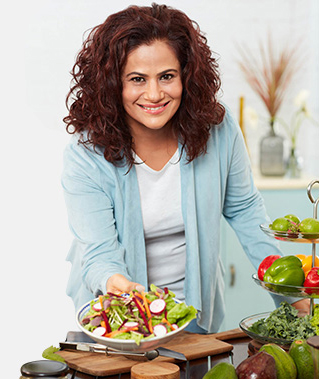
About Shonali's approach
Transforming Lives Through the Power of Macrobiotics
With a deep-rooted passion for healing through the lens of Macrobiotic nutrition, I am dedicated to helping individuals rediscover vitality by aligning their diet with the natural laws of energy. By integrating whole foods, seasonal living, cooking styles, and a balanced lifestyle. My programs in nutrition, fitness, and mental well-being have empowered over 20,000+ clients to achieve profound, lasting health.
While a journey may begin with a few months of guided practice, the shift in perspective and physical harmony lasts a lifetime.
"The Macrobiotic approach is ideally suited for the Indian environment as well as intrinsically in tune with its ethos.” (as said my Mona Schwartz my mentor)
Macro means large and bios means life. The macrobiotic approach is a larger than life view to living health 24x7. A philosophically oriented program incorporating elements from several ancient cultures (Japanese and India); emphasizing harmony with nature, especially through adherence to a diet.
Looking to elevate your health by using food as medicine?
Book a consult with ShonaliA MACROBIOTIC DIET CONSISTS OF
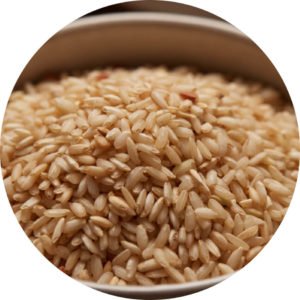 +
+40-60%
IN WHOLE GRAIN &
CEREAL
Organically grown, whole grain is recommended. These are mainly: brown rice, barley, millets, whole oats, whole wheat or gluten-free grains (if gluten intolerant) and buckwheat. A small portion of the recommended percentage of grains may consist of noodles/ pasta (whole grains not refined) and bread with no yeast. Some partially processed grains like semolina (suji/rava), bulgur (dalia) are allowed 2-3 times a week.
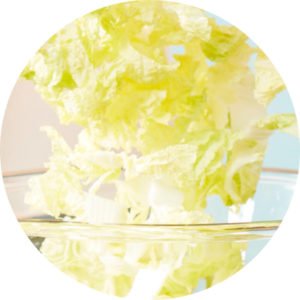 +
+20-30%
LOCALLY SOURCED
VEGETABLES
Local and organically grown vegetables are recommended, with an emphasis on leafy greens daily,the majority being cooked in various styles such as lightly steamed or boiled, sautéed with a small amount of unrefined, cold pressed oil, etc. A small portion may be used as fresh salad seasonally.
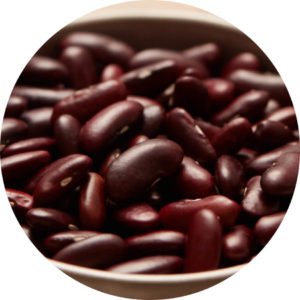 +
+5-10%
BEANS &
FERMENTED FOODS
The most suitable beans for regular use are all whole beans such as kidney beans, chickpeas, green mung and split dals (lentils). Fermented foods are recommended as a part of the daily diet at every meal with an emphasis on pressed salads, quick pickles, non-dairy probiotic drinks and other preparations.
Occasionally
FISH
& FRUITS
Locally available fruit or fruit desserts, made from fresh, dried fruit, or plant-based sweeteners may be served two or three times a week. Recommended fish include fresh white-meat fish. Herbal, de-caffeinated beverages, and condiments are allowed.