04
2025
The Rise of At-Home Biometric Tools: What Women Should Track (And Why)
The Rise of At-Home Biometric Tools: What Women Should Track (And Why)
In the past, if you wanted to check your blood sugar, cholesterol, or thyroid, you had to schedule a doctor’s visit, take time off work, and then wait for reports. Today, things have changed dramatically. With the explosion of health-tech, wearable devices, and at-home testing kits, women now have more power than ever to track their health.
But this convenience comes with both opportunity and caution. I see women in my practice who come armed with numbers from their fitness bands and at-home reports, often confused about what to do with all that information. My role has always been to simplify health, and that is what I want to do for you here: highlight which tools are truly useful for women, how to interpret them, and where gut health ties in.
Why At-Home Biometrics Matter for Women
Women in India, particularly between 30 and 55, face unique health challenges—hormonal shifts, rising rates of diabetes, thyroid conditions, PCOS, and stress-related disorders. Many of these issues go unnoticed until they become severe, partly because women put themselves last. At-home tools give us the chance to pick up early signals.
But it’s not just about having the data—it’s about using it wisely. Numbers are only meaningful when interpreted in context, and when you can take action based on them.
What You Should Track
Here are the key biomarkers and tools I believe women should be paying attention to:
1. HbA1c and Blood Sugar Trends
HbA1c is a three-month average of your blood sugar levels. In India, where rates of insulin resistance and type 2 diabetes are skyrocketing, this test is critical. According to the Indian Council of Medical Research (ICMR, 2023), nearly 101 million Indians are diabetic, with another 136 million in the pre-diabetic range. Women, especially after 40, are at higher risk due to hormonal changes around menopause.
- Why it matters: Elevated HbA1c signals poor blood sugar control, even if your fasting glucose looks normal. This can damage blood vessels, nerves, and organs over time.
- How to use it: At-home glucometers or continuous glucose monitors (CGMs) can help you understand which foods spike your sugar. Track your responses, but don’t panic about single spikes—patterns matter more.
- Gut link: A fibre-rich, gut-supportive diet helps flatten blood sugar spikes naturally.
2. Insulin Resistance
Many women have normal blood sugar but high insulin, which means the body is working overtime to process glucose. Over time, this leads to weight gain, PCOS, and eventually diabetes.
- Why it matters: Insulin resistance is often silent. It shows up as belly fat, fatigue, sugar cravings, or difficulty losing weight.
- How to test: At-home fasting insulin tests are available. The HOMA-IR calculation (which uses insulin and glucose) is a good indicator.
- Gut link: An imbalanced gut microbiome worsens insulin resistance by increasing inflammation. This is why a gut-first diet can reverse early resistance.
3. Thyroid Function
Hypothyroidism and Hashimoto’s are increasingly common among Indian women. While TSH is the most common test, it’s not enough. You also need Free T3, Free T4, and thyroid antibodies for a complete picture.
- Why it matters: Thyroid hormones regulate metabolism, mood, energy, skin, and hair. Low thyroid function often gets mistaken for “just being tired” or “age catching up.”
- How to test: Some at-home kits now let you measure thyroid levels with a simple finger-prick. But remember: test results need expert interpretation.
- Gut link: Since 70% of your immune system is in the gut, autoimmune thyroid conditions (like Hashimoto’s) often begin with gut dysbiosis and leaky gut.
4. Gut Microbiome Tests
This is the future of personalised nutrition. A stool test that analyses your gut bacteria can tell you how well you digest fibre, whether harmful bacteria are outnumbering beneficial strains, and what foods might be triggering inflammation.
- Why it matters: A diverse microbiome is linked to better digestion, immunity, mental health, and weight management.
- How to test: At-home stool kits are increasingly available in India. They give you a breakdown of bacterial strains, though interpretations vary.
- Caution: Don’t obsess over every number. Look for big patterns—low diversity, high pathogenic strains—and then work with a gut health expert for guidance.
5. Other Useful Trackers
- Vitamin D and B12: Deficiencies are rampant among Indian women and directly affect energy, mood, and hair. At-home blood spot tests are reliable.
- Lipid profile: High triglycerides and low HDL are early warning signs of metabolic syndrome.
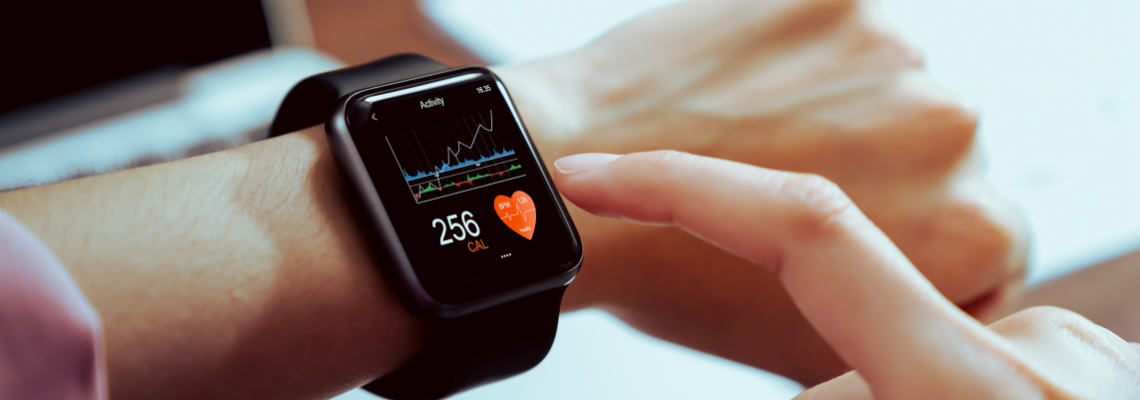
- Wearables: Fitness bands and smartwatches can track heart rate variability (HRV), sleep cycles, and activity levels. HRV, in particular, is a good measure of nervous system balance.
What Not to Obsess Over
With so many tools available, it’s easy to go overboard. Here’s what I tell my clients not to fixate on:
- Daily glucose spikes without context: Everyone has fluctuations. It’s the 3-month average (HbA1c) that matters more.
- Calorie burn data from wearables: Often inaccurate and misleading. Focus on how your body feels, not numbers.
- Microbiome reports with hundreds of strains: Don’t worry about every single bacteria. Focus on overall diversity and inflammation markers.
How to Use This Data Wisely
Biometric tools are meant to empower, not overwhelm. Here are some guidelines:
- Look at trends, not snapshots: A single high glucose reading after a festival meal doesn’t mean you’re diabetic. Consistent patterns are what matter.
- Pair data with how you feel: Energy levels, digestion, sleep, and mood are equally important as numbers.
- Work with an expert: Don’t self-diagnose. Use your results to have a more informed discussion with a practitioner who understands both nutrition and gut health.
- Don’t ignore lifestyle basics: Numbers are useless if you’re not chewing your food, managing stress, or sleeping well.
Protecting Your Gut While Using These Tools
At the centre of all these metrics is your gut. Whether it’s blood sugar, thyroid, or immunity, the gut is where healing begins. In my practice, I always bring clients back to gut basics:
- Eat more whole grains, legumes, and vegetables.
- Add fermented foods if tolerated.
- Avoid sugar, processed foods, and artificial sweeteners.
- Include herbs and teas that calm the nervous system.
- Manage stress with breathwork and meditation.
When you strengthen your gut, you’ll see the impact reflected in your biometrics—lower HbA1c, balanced thyroid antibodies, reduced inflammation, and better sleep patterns.
We live in an incredible time where health data is more accessible than ever. For women in India, at-home biometric tools are not just a trend; they are a chance to take charge of health earlier, prevent chronic conditions, and live with more vitality.
But data alone is not the answer. You need interpretation, context, and a gut-first approach to truly make sense of it all. My advice: embrace these tools, but don’t let them control you. Use them as guides, combine them with how you feel, and always prioritise balance over perfection.
If you’re feeling overwhelmed with reports or don’t know what to track, I can help. My consultations focus on weaving these numbers into a practical, personalised plan rooted in macrobiotics and gut health. Together, we can use data not as noise—but as a map toward healing.
Get in touch today: shonaalii@macrobioticsindia.com.