12
2025
Fertility & Gut Health: Why Many Women Miss the Gut Link When Trying to Conceive
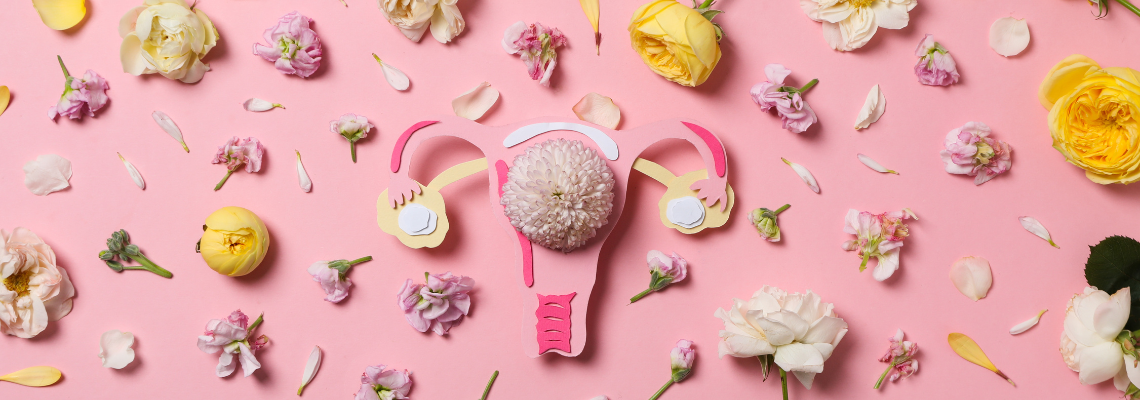
Fertility & Gut Health: Why Many Women Miss the Gut Link When Trying to Conceive
When women reach out to me for fertility support, their first questions are almost always about hormones, eggs, or ovulation. Rarely do they think about their gut. Yet, in my years of practice, I’ve seen time and again that fertility issues—whether it’s PCOS, endometriosis, thyroid imbalance, or irregular cycles—are almost always connected to gut health.
If you are trying to conceive, whether naturally or through assisted reproduction, your gut could be the hidden key you’ve been missing.
The Forgotten Gatekeeper: Gut Health and Fertility
Your gut is not just a digestion machine. It is home to nearly 70% of your immune system, produces neurotransmitters, and influences how your hormones are metabolised. A healthy gut microbiome ensures:
- Proper absorption of vitamins and minerals like B12, folate, zinc, and iron—all vital for fertility.
- Balanced estrogen metabolism, which prevents conditions like endometriosis or fibroids from worsening.
- Lower inflammation, which is crucial for ovulation and implantation.
When the gut is imbalanced (a condition called dysbiosis), it leads to nutrient deficiencies, chronic inflammation, and even autoimmunity—all of which interfere with fertility.
PCOS and the Gut
Polycystic Ovary Syndrome (PCOS) is one of the most common causes of infertility in Indian women. While most women focus on cysts or high testosterone, what often goes unnoticed is the gut connection.
Studies have shown that women with PCOS often have less diverse gut bacteria, higher levels of inflammatory microbes, and greater insulin resistance (Qi et al., Frontiers in Endocrinology, 2019). This inflammation disrupts ovulation and worsens hormonal imbalance.
What helps:
- Whole grains and fibre-rich foods: They feed beneficial bacteria and stabilise insulin.
- Fermented foods: Kanji, miso, and sauerkraut restore microbial balance.
- Cut down sugar and processed foods: These fuel inflammation and worsen insulin resistance.
Endometriosis is a painful condition where uterine tissue grows outside the womb. While it is often thought of as a purely gynecological issue, research now points to gut health.
Women with endometriosis show higher rates of leaky gut and dysbiosis (Ata et al., Human Reproduction Update, 2020). A “leaky” gut lining allows toxins and bacterial fragments into the bloodstream, which trigger inflammation and pain.
What helps:
- Anti-inflammatory foods: Turmeric, ginger, and leafy greens.
- Omega-3 rich foods: Flaxseed, walnuts, and oily fish help reduce prostaglandins (inflammatory chemicals).
- Gluten and dairy elimination (if sensitive): These foods may worsen inflammation in susceptible women.
Thyroid, Autoimmunity, and Fertility
Thyroid function is directly tied to fertility. Hypothyroidism can lead to irregular periods, anovulation, and miscarriage risk. Hyperthyroidism can make it difficult to sustain pregnancy.
But what many miss is the autoimmune connection. Hashimoto’s thyroiditis (an autoimmune form of hypothyroid) is strongly linked to gut health. Leaky gut, triggered by poor diets or chronic stress, allows foreign proteins to enter the bloodstream. The immune system then starts attacking not just invaders, but thyroid tissue as well.
What helps:
- Gut-healing foods: Bone broth (if non-vegetarian), miso, and fibre-rich vegetables.
- Reduce goitrogens in raw form: Cruciferous vegetables like cabbage or broccoli are better eaten steamed.
Ensure selenium and iodine: Seaweed, Brazil nuts, and sunflower seeds support thyroid function.
Nutrients That Matter Most
For women trying to conceive, nutrient sufficiency is critical. And absorption depends on your gut. Here are the key nutrients and where to find them:
- Folate: Lentils, spinach, and amaranth. Essential for egg quality and preventing neural tube defects.
- Vitamin B12: Needed for red blood cell formation and DNA synthesis. Found in animal protein, but if you are vegan, supplement carefully.
- Iron: Moong dal, spinach, sesame seeds. Low iron levels impair ovulation and energy.
- Vitamin D: Supports hormone balance and egg quality. Sunlight, fortified foods, or supplements.
- Zinc: Pumpkin seeds, chickpeas, and cashews. Vital for egg maturation.
- Omega-3 fatty acids: Flaxseed, chia, walnuts, oily fish. Improve egg health and reduce inflammation.
Stress, Sleep, and Fertility
When you are under stress, your body prioritises survival, not reproduction. Cortisol competes with progesterone, the hormone needed to prepare the uterus for pregnancy. Poor sleep worsens this imbalance and disrupts melatonin, which influences egg quality.
The gut also plays a role here: it produces 90% of serotonin, which regulates both mood and sleep. A disturbed microbiome means more anxiety, less restful sleep, and weaker fertility signals.
What helps:
- Breathwork and meditation: Even 10 minutes a day can reset cortisol.
- A wind-down ritual: Herbal teas (tulsi, chamomile), no screens an hour before bed.
- Chew your food well: This simple habit calms the nervous system and improves gut-brain communication.
Lifestyle Habits for Fertility and Gut Balance
If you are trying to conceive, here are my top recommendations:
- Eat balanced meals: A whole grain + legume/bean + vegetables + fermented food + nuts/seeds.
- Avoid stimulants: Cut back on coffee, alcohol, and excessive Indian tea, which stress the liver and gut.
- Cook light: Use steaming, sautéing, and boiling instead of heavy frying or pressure cooking.
- Move daily: Yoga, walking, and light strength work improve circulation to the reproductive organs.
- Listen to your body: Symptoms like bloating, hair fall, fatigue, or painful periods are messages from your gut-hormone axis.
A Case from My Practice
A young woman in her mid-30s came to me after years of trying to conceive, including failed IVF attempts. She had PCOS, bloating, irregular cycles, and low energy. Instead of chasing fertility treatments directly, we worked on her gut first—removing sugar and dairy, adding fermented foods, whole grains, and trace minerals. Within six months, her cycles regulated, her bloating reduced, and she conceived naturally a year later.
This is the power of working on your foundation.
Fertility is not just about eggs and hormones. It is about your entire system being in harmony. Your gut is the silent conductor orchestrating everything—nutrient absorption, inflammation control, hormonal balance, and even emotional wellbeing.
If you are trying to conceive, don’t ignore your gut. Strengthen it with real, wholesome foods. Reduce the toxins you put into your body. Manage stress gently. And remember: your body has an incredible ability to heal and align when given the right tools.
In my practice, I focus on building gut resilience first. Using the macrobiotic approach, I guide women through foods, cooking styles, and lifestyle shifts that not only support fertility but also bring vitality to every aspect of life. Because when your gut is healthy, your body becomes the most fertile ground for new life. Get in touch today shonaalii@macrobioticsindia.com.