20
2025
Hair Fall in Women: Gut Imbalances, Nutrient Deficiencies, and Stress
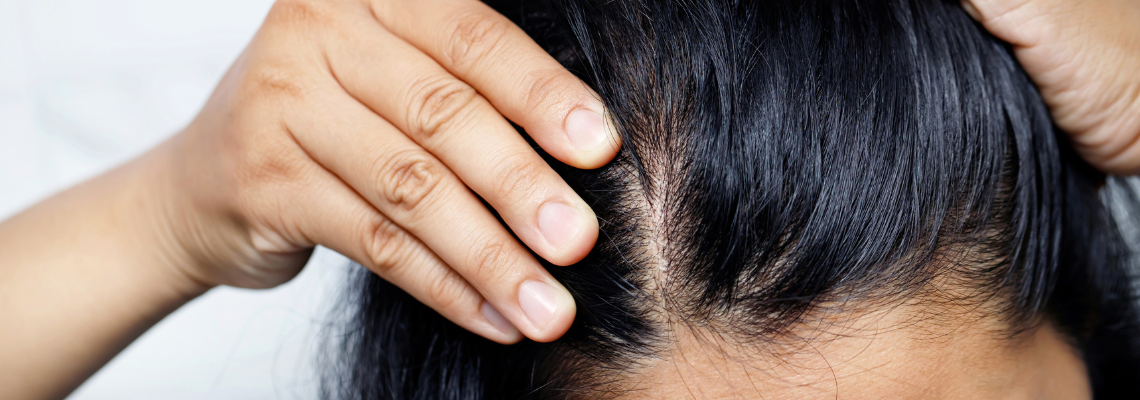
Hair Fall in Women: Gut Imbalances, Nutrient Deficiencies, and Stress
Every week, I meet women in my practice who are distressed about hair fall. Some say it started after pregnancy, others during a stressful phase of life, and many more complain it has worsened with hormonal changes in their 30s and 40s. What strikes me most is how common this has become. Hair fall is no longer “normal shedding”—for many, it’s excessive, sudden, and emotionally draining.
But here’s the truth: hair loss is not just about shampoos, oils, or external treatments. It’s a reflection of your internal condition—especially your gut, nutrient reserves, and stress levels.
Why Women Lose Hair
Hair fall is multi-factorial. Some of the most common reasons I see include:
- Gut imbalances: Poor digestion and absorption mean nutrients never reach your hair follicles.
- Nutrient deficiencies: Low iron, Vitamin B12, Vitamin D, and zinc are frequent culprits in Indian women.
- Hormonal changes: PCOS, perimenopause, or thyroid issues can disrupt hair growth cycles.
- Stress: Chronic stress releases cortisol, which diverts energy away from growth and repair.
- Poor lifestyle and diet: High sugar, processed foods, and erratic eating weaken your blood condition, and hair health reflects this directly.
The Gut-Hair Connection
You may not immediately link your gut to your hair, but the connection is undeniable. A healthy gut ensures:
- Nutrients are broken down and absorbed efficiently.
- The microbiome produces vitamins like biotin and folate, critical for hair.
- Inflammation is kept in check.
Early Signs That Your Gut May Be Behind Your Hair Fall
- Bloating, constipation, or diarrhoea
- Fatigue or low energy
- Constant sugar cravings
- Skin issues (acne, dullness, eczema)
- Hair fall that worsens despite topical treatments
The following deficiencies are especially common in Indian women, and I see them over and over in my clients:
- Iron: Low ferritin (iron storage) is strongly linked to hair loss.
- Vitamin B12: Needed for red blood cell production; deficiency causes poor circulation to follicles.
- Vitamin D: Deficiency weakens follicles and increases shedding.
- Zinc: Essential for tissue growth and repair.
- Biotin and B vitamins: Support keratin production.
- Vitamin A, C, and E: Antioxidants that protect against oxidative stress.
If you’re experiencing hair fall, it is worth getting these levels tested.
Foods That Heal Your Hair
You will need to address your entire diet, because hair is not separate from your body. It reflects how strong your blood condition is. Thinning or falling hair means poor blood quality. Foods that weaken this condition need to be cleared out, and wholesome, nutrient-rich foods need to be added.
Here’s what I recommend:
1. High-Fibre Foods: Vegetables (leafy greens, coloured vegetables), fruits, lentils, seeds, and nuts support your microbiome and circulation.
2. Good Quality Protein: Protein is the building block of keratin. Add tofu, tempeh, lentils, oily fish, or high-quality eggs and animal protein if you eat them.
3. Sea Vegetables: Spirulina, nori, and kelp provide trace minerals that are often missing in Indian diets.
4. Fermented Foods: Kanji, miso, and pickles help repopulate your gut with healthy bacteria—unless you are histamine-intolerant. In that case, a good probiotic supplement may be safer.
5. Micronutrients: Focus on Vitamin B12, Vitamin A, C, D, E, zinc, and iron. These can come from foods, but sometimes supplementation is necessary once gut healing begins.
6. Quit or Minimise: Sugar, refined flours, processed foods, and excessive fruit juices. These deplete nutrients and worsen inflammation.
Gut-First Strategy for Hair Fall
If you are experiencing unusually high hair fall, here’s a gut-first plan to restore balance:
- Add gut strengtheners: Microbiota Accessible Carbohydrates (MACs) like whole grains, lentils, beans, fruit, nuts, and seeds.
- Add fermented foods: If tolerated, include kanji, sauerkraut, or miso to rebalance the microbiome.
- Reassess protein: Make sure you are eating enough and from the right sources daily.
- Onion juice remedy: A topical remedy I have shared on my Instagram reels and Youtube; it can stimulate follicles naturally. Watch video here.
- Fix your gut first: Only then add supplements like biotin, Vitamin C, and niacin. Otherwise, they won’t be absorbed effectively.
Stress is one of the most underestimated drivers of hair fall. Chronic stress:
- Disrupts gut health by altering microbiota.
- Increases cortisol, which diverts nutrients away from “non-essential” functions like hair.
- Creates inflammation in the scalp and follicles.
This is why lifestyle changes—breathwork, meditation, yoga, or Vipassana—are as important as diet.
A Sample Day of Hair-Friendly Eating
Here’s how you can put it all together:
- Morning: Warm water with lemon, followed by a breakfast of sprouted moong chilla with sesame chutney.
- Mid-morning: A handful of walnuts and pumpkin seeds.
- Lunch: Brown rice with masoor dal, sautéed spinach, and a small portion of beetroot kanji.
Evening: Roasted makhana with spirulina mixed in warm water. - Dinner: Quinoa with tofu and steamed broccoli, finished with miso soup.
- Chew thoroughly: Digestion begins in the mouth. Poor chewing means poor nutrient absorption.
- Sleep well: Your body regenerates at night. Poor sleep worsens stress and hair fall.
- Gentle exercise: Walking, yoga, or tai chi improves circulation without taxing your adrenals.
- Hydration: Drink enough water, but avoid excessive raw cold juices that cool digestion.
If you’re losing hair, remember this: it’s not just about the scalp or hair products. It’s about your internal terrain. Your gut, your blood, your nutrient status, and your stress levels are all talking through your hair.
Hair fall is a signal, not a punishment. It is your body’s way of saying something inside that needs attention. By strengthening your gut, nourishing your body with whole, balanced foods, and calming your mind, you can restore not just your hair, but your entire vitality.
In my practice, I have seen women regain thicker, stronger hair by making these shifts. No quick fixes, no gimmicks—just a commitment to food, balance, and healing.
If you’re struggling with hair fall and unsure where to start, I can help you create a plan that addresses your unique constitution, gut condition, and lifestyle. Healing begins within, and your hair will thank you for it. Get in touch today: shonaalii@macrobioticsindia.com.