11
2025
Non-Alcoholic Fatty Liver Disease (NAFLD): Why Your Gut May Be Making You Toxic
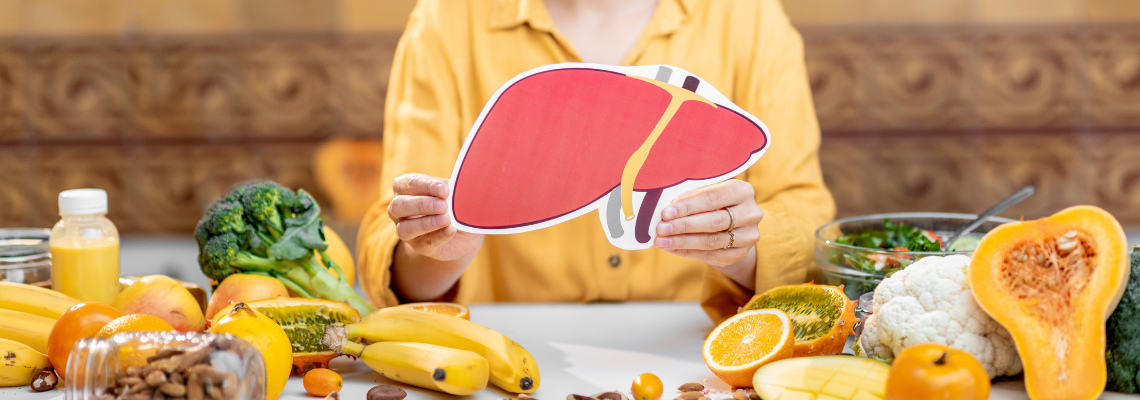
Non-Alcoholic Fatty Liver Disease (NAFLD): Why Your Gut May Be Making You Toxic
When I say “fatty liver,” most people immediately think of alcohol. Others think back to an attack of jaundice in their school or college years. But here’s the truth: you don’t need alcohol to damage your liver. A growing number of my clients—people with irritable bowel syndrome (IBS), high cholesterol, high triglycerides, obesity, or insulin resistance—are living with something called Non-Alcoholic Fatty Liver Disease (NAFLD).
This condition has become one of the most common lifestyle disorders in India today. And, as I often say, the story does not start in your liver alone. It starts in your gut.
What Exactly Is NAFLD?
NAFLD refers to a group of conditions where excess fat accumulates in the liver of people who drink little or no alcohol. Normally, fat should not exceed 5–10% of your liver’s weight. When it does, it begins to interfere with the liver’s critical functions.
Your liver is a powerhouse organ. It:
-
Stores glucose (sugar) for energy
-
Detoxifies blood of chemicals and toxins
-
Stores nutrients and regulates hormones, including insulin
-
Produces bile for digestion
But when it is overloaded with fat, toxins that should be neutralised and excreted start to recirculate in the body. These toxins can bind to proteins, forming deformed molecules that cause even more damage when they return to the liver. Over time, this cycle leads to inflammation, hormonal imbalance, and systemic toxicity.
NAFLD and Metabolic Syndrome
NAFLD rarely comes alone. It is part of what is called metabolic syndrome, a cluster of conditions that includes:
-
Diabetes or pre-diabetes (insulin resistance)
-
Obesity (particularly abdominal fat)
-
High blood pressure
-
High cholesterol or triglycerides
This combination puts tremendous stress on the liver. When I see women in their 30s, 40s, and 50s struggling with stubborn belly fat, fatigue, and mood swings, I often suspect that the liver is silently overloaded.
The Gut-Liver Axis
Here’s where my macrobiotic lens comes in: your gut microbiome—the trillions of bacteria living in your intestines—plays a huge role in how your liver functions.
Research shows that when the gut lining becomes “leaky,” bacterial products and toxins (a process called bacterial translocation) move from the intestine into the bloodstream. Since the liver is the first organ that filters this blood, it gets hit hard with this toxic load.
-
The liver is forced to process not only dietary fats and sugars, but also microbial products.
-
Bad gut microbes can alter bile acids, disrupting digestion.
-
The result? Inflammation, fat deposition, and eventually scarring in the liver.
This is why I say: a toxic gut creates a toxic liver.
Early Signs of Fatty Liver
NAFLD often creeps in silently. Most people don’t realise they have it until it’s advanced. Here are some red flags to watch for:
-
Persistent fatigue or lethargy
-
Unexplained weight gain, especially around the belly
-
Bloating, gas, or irritable bowel-like symptoms
-
Elevated cholesterol or triglycerides on blood tests
-
Mild pain or heaviness on the right side (where the liver sits)
-
Poor skin health—dullness, acne, or pigmentation
-
Hormonal imbalances, irregular periods, or worsening PMS
If you have any of these symptoms, it’s worth speaking to your doctor and running basic liver function tests (LFTs) and an ultrasound.
Why Women Should Pay Attention
I often see NAFLD showing up in women who don’t “look” unhealthy—they may even be thin. This is especially true for women going through perimenopause and menopause, where estrogen dominance and insulin resistance collide. These hormonal changes can worsen fat deposition in the liver and drive inflammation.
So if you think fatty liver is only for those who drink or are overweight, think again.
Healing the Liver: A Gut-First Approach
Unlike some other conditions, NAFLD is reversible in its early stages. The key is to reduce inflammation, support your gut microbiome, and ease the burden on the liver.
Here’s how I guide my clients:
1. Foods to Eliminate
-
Sugar and artificial sweeteners: Spike insulin, worsen fat storage.
-
Refined flours: White bread, pastries, maida-based foods.
-
Dairy: Congestive, mucus-forming, and burdensome on the liver.
-
Processed and packaged foods: Contain additives and trans fats.
-
Alcohol and stimulants: Coffee, strong Indian tea, energy drinks stress the liver.
2. Foods to Embrace
-
Whole grains: Brown rice, millets, quinoa, amaranth—stabilise blood sugar.
-
Legumes: Moong dal, masoor, chickpeas for plant protein.
-
Vegetables: Especially bitter and cruciferous (karela, methi, broccoli, cabbage) to detoxify the liver.
-
Fermented foods: Kanji, miso, homemade pickles for gut microbes.
-
Good fats: Flaxseeds, walnuts, sesame seeds in moderation.
-
Herbs and spices: Turmeric, ginger, and cinnamon to reduce inflammation.
3. Cooking Styles
Stick to light, easy-to-digest methods like steaming, sautéing, and boiling. Avoid deep frying or heavy gravies that tax the liver.
4. Lifestyle Shifts
-
Chew food well: The simplest but most overlooked step in digestion.
-
Avoid stress: Chronic stress weakens gut-liver function. Practices like breathwork, yoga, and Vipassana meditation can help.
-
Regular movement: A 30-minute walk after meals reduces fat buildup in the liver.
-
Sleep early: The liver regenerates during night hours. Poor sleep means poor detox.
My Favourite Gut-Liver Remedies
-
Sweet Vegetable Drink: A simple macrobiotic remedy made with carrot, onion, cabbage, and pumpkin simmered in water. It strengthens the pancreas, supports digestion, and helps the liver process protein better.
-
Lotus Root Tea: Especially useful for cleansing mucus from lungs and supporting overall detox.
-
Warm Lemon Water: First thing in the morning to gently stimulate the liver.
Where Modern Research Meets Ancient Wisdom
Research increasingly supports what Ayurveda, TCM, and macrobiotics have taught for centuries: the liver cannot heal without the gut.
-
Studies show that people with NAFLD often have higher levels of gut-derived endotoxins in their blood.
-
Other studies link dysbiosis (imbalanced gut bacteria) to advanced liver conditions, including cirrhosis.
This is why detox fads or high-protein diets often backfire—they ignore the gut-liver connection and place even more strain on the liver.
Your liver is not just an organ; it is the gatekeeper of your body’s energy, hormones, and vitality. When fat accumulates in it, you’re not just dealing with a liver issue—you’re looking at a whole-body imbalance.
The good news is that fatty liver disease can be reversed with the right food, lifestyle, and gut-healing approach. It requires consistency, not extremes.
If you have been told you have NAFLD, don’t panic. Start by cleaning up your gut, lightening your meals, and removing inflammatory foods. Support your liver with vegetables, whole grains, and fermented foods. And most importantly—listen to your body’s signals before they become louder.
As I often tell my clients: healing starts in the gut, and balance flows out to every organ—including your liver.
If you’d like personalised guidance, I work with clients worldwide to create food and lifestyle plans that support the gut-liver axis. Together, we can put you back on the path to energy, clarity, and long-term health. Get in touch today shonaalii@macrobioticsindia.com.