08
2025
Protein Myths in India: From Paneer to Powders, What Women Really Need
Protein Myths in India: From Paneer to Powders, What Women Really Need
Everywhere you look today, there is a new protein bar, shake, or powder promising weight loss, glowing skin, lean muscle, and boundless energy. Influencers swear by them, celebrities endorse them, and supermarkets stack them high. I get asked almost every day: “Am I eating enough protein?” or “Do I need to add a supplement?”
The truth is that while protein is essential, much of the hype is marketing. For Indian women—especially those between 30 and 55—protein needs are often misunderstood. Too much protein, the wrong kind of protein, or poorly digested protein can actually do more harm than good. Let’s cut through the noise and talk about what you really need, how to get it from food, and how to use it effectively.
Why Protein Matters
Protein is the building block of life. Every cell in your body—muscles, skin, hair, hormones, enzymes—is made up of protein. Without enough of it, you may experience:
- Hair fall and brittle nails
- Fatigue and low energy
- Mood swings or brain fog
- Slow wound healing
- Loss of muscle tone
For women, protein becomes even more important during perimenopause and menopause, when hormonal fluctuations can accelerate muscle loss, weight gain, and skin ageing.
But here’s the catch: simply eating more protein doesn’t guarantee better health. What matters is the quality of protein, the way it is cooked, and—most importantly—how well your gut can digest and assimilate it.
Protein degradation in the human body
Elevated blood sugar levels promote toxicity if not used by the cells. A reaction called ‘glycation’ is triggered, wherein sugar molecules bind to proteins and certain fats, resulting in degradation of protein in the body. Glycation also accelerates inflammation and aging.
The Indian Protein Paradox
India is often described as a protein-deficient country. National Family Health Survey data shows that more than 70% of Indian diets are carbohydrate-heavy, with rice and wheat at the centre of most meals. Yet at the same time, the urban middle class is overloading on paneer, eggs, chicken, and powders, thinking this will solve the gap.
This imbalance has created two myths:
- Paneer is the ultimate vegetarian protein.
Paneer is widely consumed, but it is dairy-based, congestive, and acidic. For women dealing with skin issues, hormonal imbalance, or autoimmune conditions, paneer can do more harm than good. - Protein powders are necessary.
Protein supplements may be useful in certain cases—like for athletes or those recovering from illness—but for most women, they are unnecessary. Worse, many commercial powders are highly processed, contain artificial sweeteners, and add stress to your liver and kidneys.
How to Help Protein Work Better in Your Body
Here’s something most people forget: even the best protein source won’t help you if your body cannot use it effectively. Digestion is the key.
Some of my simple, everyday recommendations:
- Chew your food well. Digestion begins in the mouth. Breaking down food thoroughly helps your gut absorb protein better.
- Avoid stress. Stress diverts blood flow away from digestion, reducing nutrient absorption.
- Strengthen gut, liver, and pancreas. In TCM (Traditional Chinese Medicine), these organs are vital for protein metabolism. One of my favourite remedies is the Sweet Vegetable Drink, which gently strengthens your digestive system.
- Avoid stimulants like coffee, alcohol, and strong Indian tea. These stress the liver and pancreas, interfering with protein utilisation.
- Avoid sweeteners and excessive fruit juices. They spike blood sugar and weaken the gut.
- Have balanced meals. Protein works best when it’s eaten with whole grains, vegetables, and fermented foods that provide enzymes for better digestion.
The Best Vegan Protein Sources
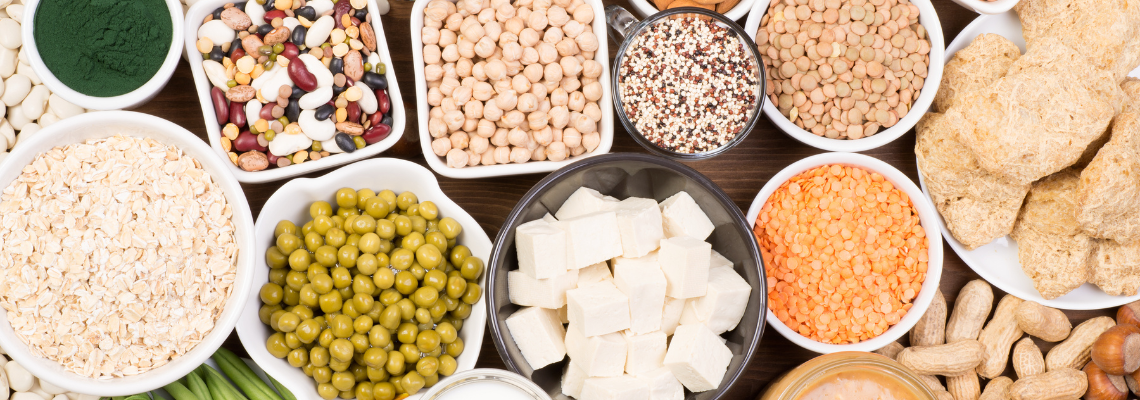
You don’t need powders or heavy animal foods to meet your protein needs. A carefully planned plant-based diet gives you more than enough, and do so without burdening your gut. Here are five of my top recommendations:
- Amaranth and Quinoa
Ancient grains like amaranth (rajgira) and quinoa are complete proteins, containing all essential amino acids. Use them as replacements for rice or in porridges. - Balanced Vegetarian Meals
A typical Indian meal—whole grain + lentil or bean + vegetables + fermented food + nuts or seeds—provides a perfectly balanced amino acid profile. Think brown rice with dal, sautéed vegetables, and a side of homemade pickle. - Sprouts
Sprouted beans and grains not only increase protein availability but also boost vitamin and mineral content. Sprouts are living foods—light, energetic, and easy to digest when lightly steamed. - Edamame
Fresh soybeans are protein-dense and rich in fibre. Steamed edamame with a sprinkle of sesame makes a great snack. - Tofu and Tempeh
Unlike paneer, these are fermented soy products, making them more digestible and beneficial for gut health. Tempeh, especially, provides both protein and probiotics.
Protein requirements vary by age, activity, and health condition. On average, women need 0.8–1 gram per kg of body weight per day. So if you weigh 60 kg, you need 48–60 grams of protein daily. But here’s the nuance: more is not always better. Excessive protein—especially from animal sources or powders—can strain your kidneys, create acidity, and lead to bloating. Balance is key.
Practical Ways to Include Protein in Your Day
Here’s what a protein-rich day can look like without powders or excess dairy:
Breakfast: Ragi porridge with almonds and sesame seeds
Mid-morning: Steamed edamame or mung sprouts with lemon
Lunch: Brown rice + chana dal + sautéed spinach + pickle
Evening: Roasted makhana with flaxseed
Dinner: Quinoa with tofu and stir-fried vegetables
Bedtime: A warm cup of miso soup for gut repair
Protein and Women’s Health
Protein is not just about muscles. For women, it is intimately tied to:
- Hormones: Amino acids are the building blocks of hormones. A deficiency can worsen PMS, PCOS, or menopausal symptoms.
- Skin and Hair: Collagen, keratin, and elastin are proteins. Without adequate dietary protein, your skin loses elasticity and hair becomes brittle.
- Immunity: Antibodies are proteins. Weak protein intake means weak defence.
- Longevity: Balanced protein intake reduces sarcopenia (muscle loss) with age and helps maintain metabolic health.
There are situations where protein powders or supplements might help:
- Athletes with very high protein demands
- Individuals recovering from surgery or chronic illness
- People with malabsorption conditions who cannot eat enough whole foods
If you do use a supplement, choose one that is:
- Plant-based (pea, hemp, or brown rice protein)
- Free of artificial flavours and sweeteners
- Tested for heavy metals
And always use it to supplement a food-first approach, not replace it.
Protein is vital, but it is not a magic bullet. You don’t need to drown yourself in paneer or powders to meet your needs. What you need is:
- Whole, plant-based foods eaten in balance
- A strong gut to digest and assimilate nutrients
- Lifestyle support through rest, stress management, and mindful eating
In my work as a macrobiotic counsellor, I see time and again that when women shift from the obsession with numbers and supplements to a gut-first, whole-food approach, everything changes—energy returns, hormones balance, skin clears, and ageing slows.
So the next time you see a protein bar ad, pause and ask yourself:“Is this truly nourishing me?” Chances are, the answer lies in your kitchen, not in a wrapper.
If you’d like a personalised protein plan tailored to your constitution, gut health, and lifestyle, I’d love to help you rebuild balance from the inside out. Get in touch today shonaalii@macrobioticsindia.com.