30
2025
Supplements: Why Less is More - And What You Should Avoid Without Expert Guidance
Supplements: Why Less is More - And What You Should Avoid Without Expert Guidance
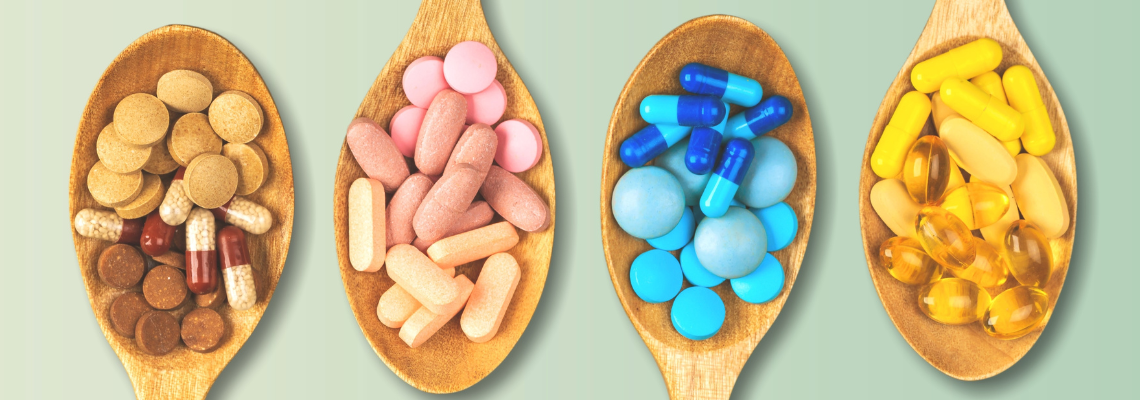
When clients come to me for the first time, they often bring a bag full of supplements - protein powders, collagen, vitamin C, magnesium, multivitamins, omega-3s, even berberine - all self-prescribed.
We live in an age where supplements are marketed as magic bullets. But as someone who has spent decades helping people heal through food, I can tell you: more supplements do not mean better health. And if misused, they can harm you.
The Supplement Trap
Most of my clients believe they can pop pills and powders to make up for poor eating habits, but that’s not how the body works. Supplements can sometimes help if you are deficient, but taken blindly, they can:
- Overload the liver
- Disrupt gut health
- Create imbalances in other nutrients
Give you a false sense of “protection”
In fact, a JAMA (2016) study noted over 23,000 ER visits a year in the US alone due to supplement misuse, and India is not far behind with the booming online supplement market.
Why Excessive Supplements Can Be Harmful
- Burden on the Liver: Your liver processes everything you ingest. Excessive or unnecessary supplements can cause elevated liver enzymes or fatty liver.
- Nutrient Imbalances: Too much of one can deplete another. For example, high doses of zinc can lower copper, and excessive iron can stress the body.
- Gut Disruption: Many supplements contain synthetic additives, fillers, and binders that can harm beneficial gut bacteria.
- Toxicity: Fat-soluble vitamins (A, D, E, K) can accumulate to dangerous levels if overused.
When Are Supplements Actually Needed?
Supplements have their place - but only when:
- A deficiency is confirmed via a blood test
- Prescribed by a knowledgeable practitioner
- Used short-term to correct an imbalance
It is not that I never prescribe supplements, I do so but only after testing. And I always recommend food as the first line of treatment.
Smart Alternatives: Food First
Here’s what your plate can give you instead:
- B12: Fermented foods + supplementation if truly deficient
- Iron: Spinach, sesame seeds, jaggery, lentils
- Magnesium: Pumpkin seeds, whole grains, green vegetables
- Omega-3: Flaxseeds, walnuts, seaweed
- Collagen support: Vitamin C-rich fruits + legumes
How & When to Take Supplements Safely
If you do need supplements, the timing and how you take them matter enormously. Many people swallow everything at once, which can lead to poor absorption or digestive discomfort.
Below is a table of common supplements, when to take them, and what to take them with or avoid:
Common Supplements: Timing & Tips
| Supplement | Best Time to Take | With or Without Food? | Notes |
|---|---|---|---|
| Vitamin D3 | Morning or lunch | With food, preferably fats | Fat-soluble; avoid taking late at night as it may interfere with sleep |
| Vitamin B12 | Morning | With or without food | Can be energising - avoid late evening |
| Iron | Empty stomach (if tolerated) | Without food, with vitamin C | Avoid tea, coffee, calcium around this time |
| Calcium | Night (if divided, with dinner or before bed) | With food | Avoid taking with iron |
| Magnesium | Evening or before bed | With food or alone | Can promote sleep and relaxation |
| Omega-3 (Fish oil/Flax oil) | Anytime with a meal | With food, preferably fats | Reduces fishy burps, better absorption |
| Probiotic | Morning or bedtime | Empty stomach (or as directed) | Take away from antibiotics if prescribed |
| Multivitamin | Morning | With breakfast | Take with food to prevent nausea |
| Zinc | After a meal | With food | Can cause nausea on empty stomach |
| Berberine | Before meals | Without food (or as directed) | Can lower blood sugar - monitor if on meds |
Key Takeaways From This Table
- Fat-soluble vitamins (like D, E, K) need fat in your meal for proper absorption.
- Iron is best on an empty stomach but can upset sensitive stomachs - if so, take with a light meal.
- Magnesium and probiotics often work best in the evening to support relaxation and gut repair overnight.
- Never take iron and calcium together as they compete for absorption.
The Wisdom of Food
Here’s what I always tell my clients: your body recognises and absorbs nutrients better when they come from whole, seasonal, cooked foods. Supplements are just that - a “supplement,” not a replacement.
For example:
- Instead of popping iron pills, include jaggery and methi in your meals.
- Instead of collagen powders, eat vitamin C-rich fruits like amla to support natural collagen production.
- Instead of magnesium capsules, eat soaked pumpkin seeds and spinach regularly.
Lifestyle Factors Matter Too
Supplements alone won’t fix an unhealthy lifestyle. Along with mindful eating:
- Get regular sunlight for natural vitamin D
- Prioritise 7-8 hours of sleep to allow your body to repair
- Exercise moderately to improve circulation and nutrient delivery
- Chew your food well - digestion starts in the mouth
- Manage stress with breathwork and meditation - chronic stress depletes nutrients like magnesium and B vitamins
When in Doubt, Consult
A 2018 review in the Annals of Internal Medicine found that dietary supplements offered no clear benefits in preventing chronic diseases in otherwise healthy individuals - and sometimes even increased the risk of harm when misused.
If you’re not sure whether you need a supplement, ask yourself:
- Have I been tested for this deficiency?
- Have I tried to fix it through diet first?
- Was this recommended by someone qualified?
If the answer to any of these is “no,” step back and reconsider.
Supplements can be powerful tools - but they are not benign. Think of them as medicine, and like all medicine, they should be used thoughtfully and sparingly.
Start with your plate. Start with your breath. Start with the wisdom of your own body.
If you’d like personalised guidance on what your body truly needs (and what it doesn’t), I’d be happy to help you figure it out - one balanced meal at a time.