11
2025
Should You Go Dairy-Free? Understanding Mucus, Bloating & Hormonal Acne
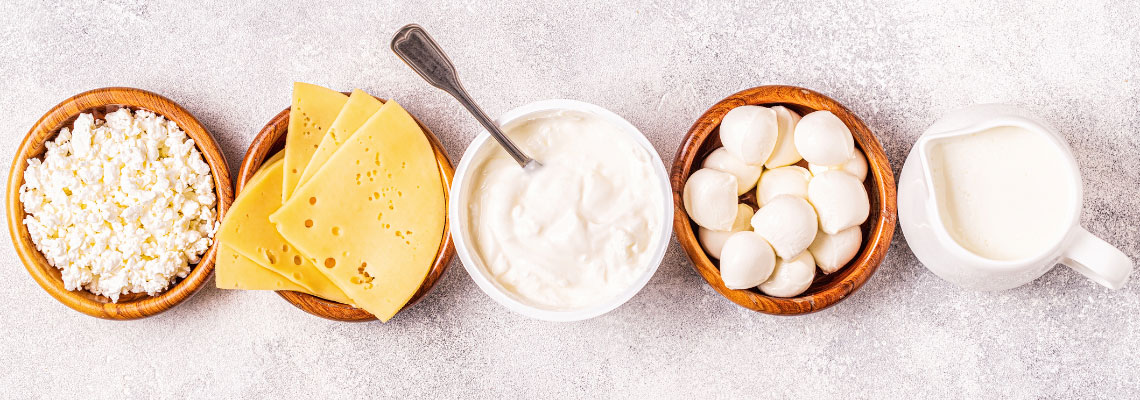
If I had a rupee for every time someone asked me whether they should eliminate dairy from their diet, I’d be sipping kuzu tea in the Himalayas by now. The truth is, dairy is a complicated topic. We’ve been told for years that it’s a “complete food,” essential for calcium and protein. But I’ve seen enough cases through my macrobiotic practice to say that it’s not the miracle food it's made out to be.
And when it comes to bloating, skin issues like hormonal acne, and that ever-present feeling of heaviness or phlegm, dairy is often the quiet culprit.
Let’s break down what really happens in your body when you consume dairy, and whether it might be time to explore life without it.
Why Dairy May Be Doing More Harm Than Good
From both macrobiotic and Ayurvedic perspectives, dairy is considered a congestive, mucus-forming food. This becomes especially problematic in its modern, highly processed forms such as homogenised milk, paneer, cheese, or dahi.
1. Mucus and Respiratory Distress
Have you noticed increased phlegm, sinus congestion, or a post-nasal drip? Dairy’s sticky, heavy nature makes it difficult to digest. It can coat the lungs and create what I call “sticky lungs.” The body, unable to assimilate it fully, tries to eliminate it through excess mucus. This is especially true for individuals with asthma, chronic bronchitis, or frequent sinus infections. According to the Traditional Chinese Medicine system, the discharge of the assimilation of dairy (while digesting) in the lungs causes the skin to go awry, as the lungs manifest in the skin.
According to Ayurvedic wisdom, dairy increases Kapha in the body. Kapha is the dosha associated with heaviness, dampness, and congestion. If dairy is paired with incompatible foods like fruit (especially bananas or melons), it can further lead to the formation of toxins (ama), poor digestion, and inflammation.
2. Bloating and Gut Health
Dairy contains a protein called casein, which is difficult to break down. This is particularly true for individuals with weak digestive systems. Approximately 65 to 70 percent of the global population is lactose intolerant to some extent. Even if you’re not officially diagnosed, you may still experience bloating, gas, cramps, or fatigue after consuming dairy.
In addition, dairy has an acidic pH, typically around 6.5, and becomes more acidic during digestion. This acidity can disrupt your gut flora, reduce digestive fire (agni), and impair nutrient absorption. This is especially concerning for minerals like zinc and magnesium, which are critical for skin health and hormonal balance.
3. Hormonal Acne and Skin Troubles
This is a significant concern. Modern dairy farming practices often involve giving cows growth hormones and antibiotics to increase milk production. These hormones remain in the milk, and when we consume it, they interfere with our body’s natural hormonal rhythms.
In women, this hormonal interference can show up as:
- Acne, especially along the jawline
- Excess oil production on the skin
- Premenstrual symptoms
- Irregular menstrual cycles
The additional burden on the lymphatic system and poor oxygen circulation from dairy consumption can further result in dull, patchy, or inflamed skin.
4. Energetics: A Macrobiotic View
Energetically, dairy is yin in nature, which means it is expansive, soft, and cold. It softens boundaries, both emotionally and physically. While this may initially feel comforting, especially during times of emotional stress, overconsumption of dairy can leave you feeling foggy, lethargic, and ungrounded.
It’s important to remember that cow’s milk is designed for calves. It promotes rapid growth in animals. In humans, however, this same effect may translate into unwanted weight gain, inflammation, and fluid retention.
Who Should Consider Going Dairy-Free?
You may benefit from a 4 to 6 week dairy-free trial if you experience:
- Hormonal acne
- Premenstrual syndrome or polycystic ovarian syndrome (PCOS)
- Chronic sinus issues or frequent colds
- Skin conditions like eczema or psoriasis
- Acid reflux or persistent bloating
- Autoimmune flare-ups
Give your body time to adjust and observe how you feel without dairy. You may be surprised by how much lighter, clearer, and more energised you feel.
What About Calcium?
This is the most common concern. People often worry about where to get calcium if they eliminate dairy. However, you do not need dairy to meet your calcium needs. Interestingly, countries with the highest dairy consumption also report higher rates of osteoporosis.
Plant-based sources of calcium are often better absorbed and come without the inflammatory load. These include:
- White sesame seeds
- Ragi (finger millet)
- Amaranth
- Moringa leaves
- Tofu
- Leafy greens such as spinach, kale, and methi
- Almonds
- Seaweed
More important than calcium intake alone is calcium absorption. For this, you need a healthy gut, enough vitamin D and magnesium, and a balanced internal pH. Want to learn how to get more calcium in your diet? Watch this video
How to Transition Away From Dairy
Here are a few practical swaps that can help you reduce or eliminate dairy without feeling deprived.
| Dairy Product | Alternative |
|---|---|
| Milk | Almond, oat, or cashew milk (unsweetened) |
| Cream | Silken tofu or blended soaked cashews |
| Cheese | Nut-based cheese, tahini, or nutritional yeast |
| Paneer | Firm tofu marinated with Indian spices |
| Curd | Coconut milk yogurt or fermented rice kanji |
| Ghee | Cold-pressed sesame oil or coconut oil (used sparingly) |
Tip: Avoid highly sweetened or processed dairy alternatives. Choose clean, homemade, or minimally processed versions whenever possible. Visit my Youtube Channel to learn how to make almond milk at home.
Healing Foods to Add
As your body detoxifies from dairy, include foods that are warming, gut-friendly, and supportive of hormone balance:
- Sweet vegetable drink (made from carrot, onion, cabbage, and pumpkin) helps reduce sugar cravings and supports digestion. Watch video for recipe
- Fermented foods like kanji, miso, or pickled vegetables to boost gut flora
- Kuzu root tea to soothe inflammation and strengthen the gut lining
- Moong dal or barley with sea vegetables for minerals and protein
- Tulsi and licorice teas to support the respiratory system and calm mucus
My Personal Experience
I once had a meal at a five-star hotel where I had explicitly requested no dairy. Despite that, a small amount of butter found its way into the dish. The next day, I felt bloated, sluggish, and congested. That, for me, was confirmation. My body had learned to function optimally without dairy and reacted immediately once it returned.
Once you eliminate dairy, your body becomes more sensitive to its effects. It no longer tolerates what it once accepted as normal.
The Emotional Connection
Dairy is often our first food after birth. It carries deep emotional associations with nurturing and comfort. So, it’s not surprising that letting go of it can feel difficult. Acknowledge this emotional link. However, remember that true nourishment comes not from a food product but from your daily rituals, your breath, your connection to self.
Final Thoughts
Going dairy-free is not a punishment. It is an invitation to reconnect with your body and support your gut, skin, and hormonal health in a deeper way. If you are dealing with bloating, fatigue, breakouts, or chronic congestion, consider removing dairy for a short period. Observe your body. Trust its intelligence.
When you align with what your body truly needs, everything begins to shift.
If you’d like to explore this journey further, I can help you personalise your plan based on your constitution, health condition, and lifestyle. Remember, healing begins in the gut.