30
2026
The Great Life vs. The Synthetic Signal: A Macrobiotic View of GLP-1
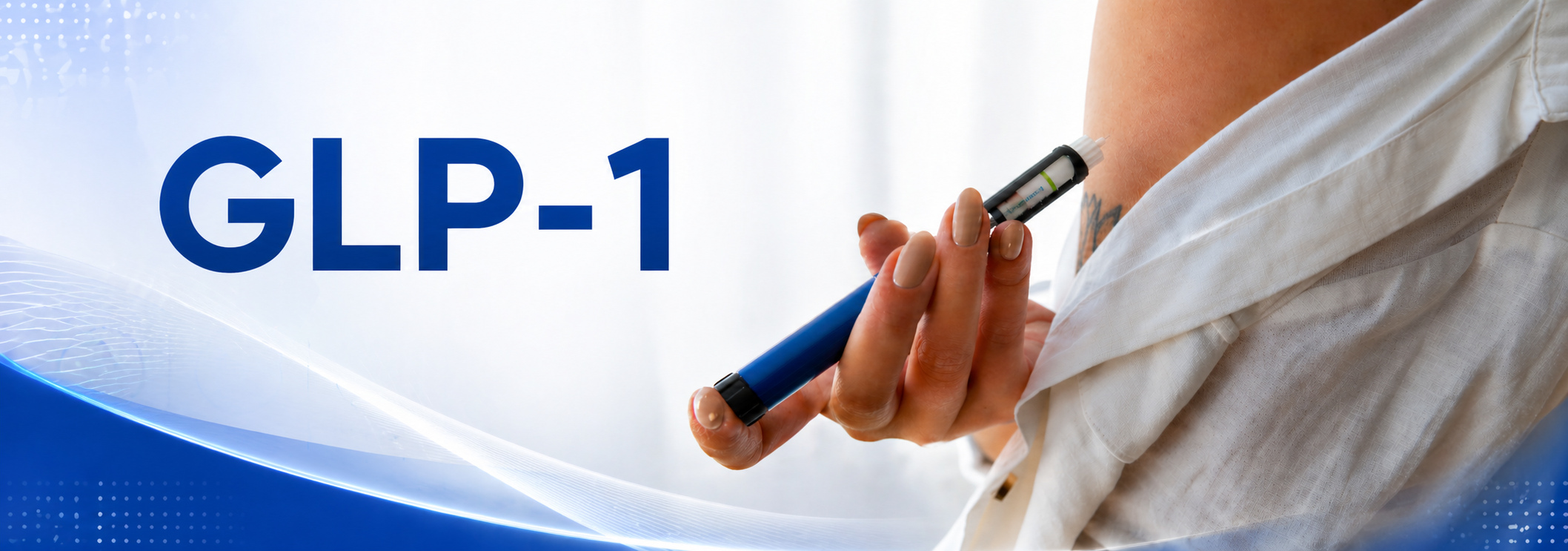
In the rapidly evolving landscape of modern wellness, few things have caused as much of a stir as the arrival of GLP-1 receptor agonists. These medications, originally formulated to manage Type 2 diabetes, have been catapulted into the spotlight as weight-loss "miracles." Yet, for those of us who have spent decades studying the principles of Macrobiotics, these developments prompt a deeper reflection. We must ask: Does a pharmaceutical intervention that mimics our internal hormones align with the goal of living a balanced, "Great Life"?
Macrobiotics is not merely a dietary regimen; it is a philosophy rooted in the understanding of natural laws. It encourages us to achieve health through a harmonious relationship with our environment, primarily through the consumption of whole, seasonal, and plant-based foods. When we place the mechanical action of a GLP-1 drug alongside the holistic wisdom of Macrobiotics, we find a fundamental tension between external control and internal harmony.
The Biological Bypass: External vs. Internal Wisdom
At its core, GLP-1 (Glucagon-like peptide-1) is a hormone our bodies naturally produce in the gut. Its role is elegant: it tells the brain we are satisfied, slows down how quickly the stomach empties, and ensures our insulin levels are appropriate. Medications like semaglutide work by introducing a synthetic version of this hormone at levels far exceeding what the body would naturally generate.
From a Macrobiotic perspective, this represents an "externalized" solution. The philosophy of Macrobiotics posits that the body possesses an innate intelligence. When we use a drug to force satiety, we are effectively bypassing the body’s opportunity to communicate its needs. We are muting the "messengers" of hunger and fullness rather than listening to why those signals might have been imbalanced in the first place. The goal of health in our practice is to restore the body’s self-regulatory capacity, not to replace it with a lifelong dependency on a synthetic analogue.
Key Insight: True vitality is found when the body’s own systems are tuned to respond to the natural world, rather than being overridden by chemical intervention.
Yin, Yang, and the Energetics of Pharmacology
In the study of energetics, we categorize all substances by their qualities of Yin (expansive, cooling, centrifugal) and Yang (contractive, warming, centripetal). Whole grains, the cornerstone of a Macrobiotic diet, are considered centrally balanced. In contrast, highly concentrated chemicals and pharmaceuticals are often viewed as extremely Yin.
The rapid weight loss often induced by GLP-1 drugs can be energetically depleting. In traditional terms, we worry about the exhaustion of Jing (vital essence). While the scale may show a lower number, the quality of the tissue being lost matters. These medications often lead to a significant loss of muscle mass alongside fat. From a Macrobiotic viewpoint, muscle is a manifestation of our physical strength and grounding (Yang). Losing it too quickly, without the support of balanced nutrition, can leave an individual feeling ungrounded, cold, and lethargic—symptoms of an energetic imbalance that may have long-term consequences for longevity.
Root Causes and the Power of the Plate
The most significant divergence between these two approaches lies in the treatment of "root causes." Modern medicine often views weight gain as a condition to be managed pharmacologically. Macrobiotics views metabolic disharmony as a sign that our lifestyle has drifted away from the middle path.
Rather than suppressing appetite with a needle, Macrobiotics suggests we can naturally stimulate our satiety hormones through our food choices. High-fiber foods, specifically complex carbohydrates like brown rice, barley, and millet, provide a slow and steady release of glucose. This doesn't just manage blood sugar; it provides the gut with the raw materials needed to produce its own GLP-1 naturally. When we add fermented foods like miso, shoyu, and naturally pickled vegetables, we support a microbiome that communicates effectively with the brain. This is a "bottom-up" approach to health—healing from the gut to the mind—rather than a "top-down" chemical suppression.
An Integrative Path Forward?
While the pure Macrobiotic approach would rarely recommend starting a GLP-1 drug, we must acknowledge the complexity of health in the 21st century. For those who are already on this medical path, Macrobiotic principles can offer a vital support system. Using "Small Yin" foods like ginger to soothe the nausea associated with these drugs, or ensuring a high intake of plant-based proteins (like tempeh and lentils) to protect muscle mass, can mitigate the side effects of the medication.
Furthermore, the goal for anyone using these tools should be the eventual return to self-sufficiency. A transition toward a Macrobiotic way of eating provides the exit ramp—the nutritional foundation that allows the body to maintain its balance once the pharmaceutical support is no longer present. We are not just looking for a temporary change in size; we are looking for a permanent shift in our state of being.
Conclusion: Choosing the Great Life
Ultimately, the rise of GLP-1 drugs serves as a mirror, reflecting our society's desire for quick solutions to complex, systemic problems. Macrobiotics invites us to take the longer, more scenic route—a path that involves the kitchen, the seasons, and a deep respect for our own biology. While science continues to engineer new ways to mimic nature, there is no substitute for the wisdom of the earth. By choosing whole foods and mindful living, we don't just solve a metabolic puzzle; we nourish the "Great Life" that resides within each of us.