07
2026
The Role of Fiber Diversity in Shaping the Gut Microbiome
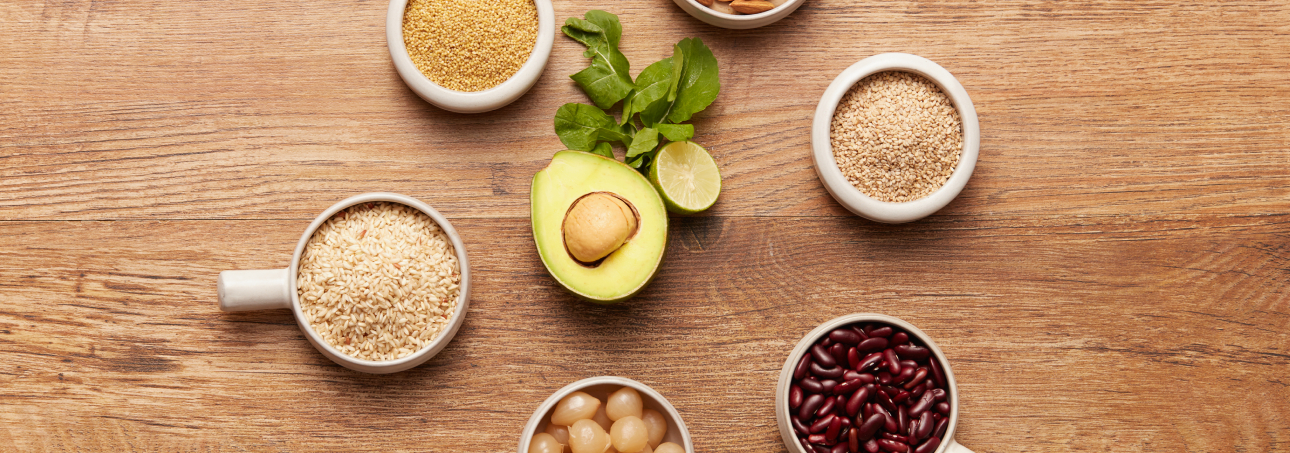
We talk a lot about eating more fiber. But the conversation rarely goes far enough. Because it isn't just how much fiber you eat — it's how many kinds.
Your gut microbiome is not a single organism with a single appetite. It's a vast, layered ecosystem of trillions of microbes, each with its own preferred fuel source. When you eat the same fiber day after day — even a healthy one — you're essentially feeding only a fraction of that ecosystem. The rest goes hungry. And a microbiome that isn't being fed diversely doesn't just underperform. Over time, it shrinks.
Why Fiber Diversity Is the Real Goal
Different fibers ferment differently. Psyllium, for instance, is a soluble, viscous fiber that slows digestion and feeds one subset of bacteria. Resistant starch — found in cooked-and-cooled rice, raw banana, and legumes — feeds another. Inulin and FOS (fructooligosaccharides), found in onions, garlic, and Jerusalem artichokes, preferentially nourish Bifidobacteria. Cellulose from vegetable skins supports yet another group
Each of these fiber types acts as a selective substrate — a unique key that unlocks specific microbial populations. Research consistently shows that people who eat a wider variety of plant foods harbor greater microbial diversity. And microbial diversity, in gut science, is one of the strongest proxies we have for overall gut health and resilience.
The implications go well beyond digestion
Short-Chain Fatty Acids: Where the Real Magic Happens
When gut bacteria ferment dietary fiber, they produce short-chain fatty acids (SCFAs) — primarily butyrate, propionate, and acetate. These are not mere byproducts. They are signaling molecules that influence far more than your gut.
Butyrate is the primary fuel source for colonocytes, the cells lining your colon. It helps maintain the integrity of the gut lining, reducing intestinal permeability — what's often called "leaky gut." A well-nourished gut lining is your body's most important interface between the external world and your bloodstream. Butyrate also has anti-inflammatory properties and has been studied for its potential role in reducing colorectal cancer risk.
Propionate travels to the liver, where it plays a role in regulating glucose production and cholesterol synthesis. Acetate enters systemic circulation and is used as energy by peripheral tissues, and also appears to influence appetite regulation via the brain
Crucially, different fibers produce different ratios of these SCFAs. Resistant starch is particularly associated with butyrate production. Pectin (found in apples and citrus peel) leans more toward acetate and propionate. This is precisely why combining fiber types isn't redundant — it's strategic. You're not just feeding more bacteria; you're producing a richer, more functionally complete profile of metabolic outputs.
Why Combining Fiber Types Matters
Think of your gut microbiome (the ecosystem built up of trillions of microbes that are in your gut) for better microbiome health like a kitchen team. Insoluble fibers — the roughage in whole grains and vegetable skins — are the prep crew. They move things along and support mechanical gut function. Soluble fermentable fibers are the sous chefs, slowly broken down and transformed into SCFAs and other metabolites. Resistant starch is the long cook — fermented slowly in the large intestine, with time-released benefits that extend deep into the colon where butyrate-producing bacteria like Faecalibacterium prausnitzii thrive.
When you combine these types, you create overlapping waves of fermentation activity across different sections of the gut. You support microbial populations that might otherwise be outcompeted. You also prevent the kind of monoculture that emerges when one or two fiber types dominate — a microbiome that becomes less resilient to disruption from stress, antibiotics, or dietary change.
Traditional Indian diets understood this intuitively, long before the science caught up. A single meal might include dal (resistant starch, soluble fiber), sabzi with leafy greens (insoluble fiber, polyphenols), a small serve of rice (fermentable starch when cooled), and a piece of fruit or a sweet lassi. This was not just variety for the sake of taste. It was, structurally, a fiber diversity strategy.
Polyphenols: The Unsung Prebiotic
Here is where the story gets even more interesting. Polyphenols — the bioactive compounds found in berries, dark chocolate, green tea, turmeric, and most deeply pigmented plant foods — are not technically classified as fiber. But they behave like one.
Approximately 90–95% of polyphenols reach the large intestine unabsorbed. There, they are metabolized by gut bacteria into smaller, bioactive compounds — and in return, they selectively nourish beneficial microbial populations, particularly Lactobacillus and Bifidobacterium species. This bidirectional relationship — where polyphenols feed good bacteria and good bacteria transform polyphenols into bioavailable metabolites — is increasingly recognized as a core prebiotic mechanism.
This means your cup of green tea, your handful of blueberries, or the turmeric in your dal isn't just anti-inflammatory in the conventional sense. It's actively reshaping your microbial landscape.
The Practical Takeaway
Fiber diversity doesn't require complexity. It requires intention. Rotate your grains. Vary your legumes. Eat the peel when you can. Add fermented foods alongside fiber-rich ones. Choose seasonal produce. Bring back the forgotten vegetables — yam, raw banana, bitter gourd — that generations before us ate without thinking twice. A good gut health diet will factor the role of bringing in diverse fiber.
Your microbiome doesn't need a supplement. It needs a wider table.