30
2026
The Prostate Cancer Conversation Men Keep Avoiding — And What Food Can (and Can't) Do About It
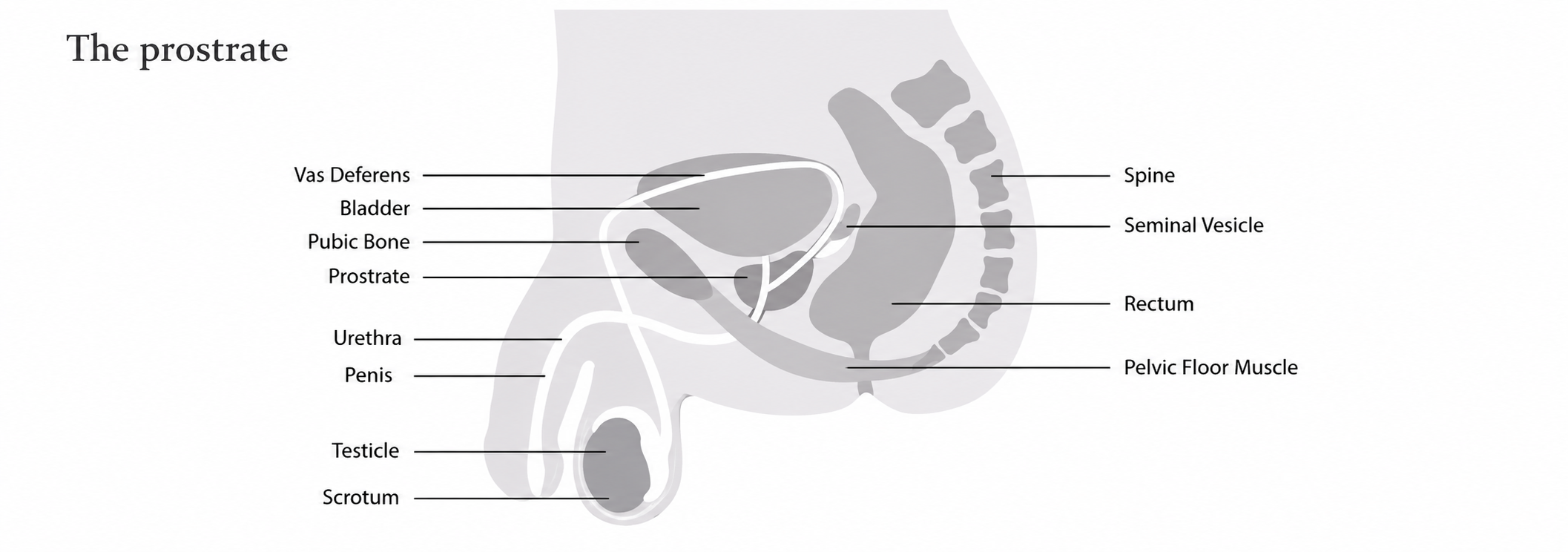
Prostate cancer is the most commonly diagnosed cancer in men worldwide, and one of the slowest-moving. That single fact — slow-moving — changes almost everything about how it should be screened, watched, treated, and eaten around. Yet most men still approach it the way they approach every other cancer: with fear first, information second. Let's reverse that order.
Screening: Know Before You Panic
The PSA (prostate-specific antigen) blood test remains the primary screening tool, usually alongside a digital rectal exam. It's imperfect — PSA rises with infection, enlargement, and age, not just cancer — which is exactly why so many men get an elevated number and spiral into worst-case thinking before a biopsy even confirms anything.
The current medical consensus, broadly, is this: men should have a conversation with their doctor about PSA screening starting around age 50 (earlier — 40 to 45 — if there's a family history or if you're of African descent, both of which raise risk). It is a conversation, not a mandate, because prostate cancer's biggest paradox is that many men who have it will die with it, not from it. Autopsy studies have long shown large numbers of older men carrying undiagnosed, indolent prostate cancer that never caused a symptom in their lifetime.
This is why, unlike almost any other cancer, a prostate cancer diagnosis doesn't automatically mean immediate treatment.
Active Surveillance: Watching Without Waiting Passively
For men diagnosed with low-risk, early-stage prostate cancer, active surveillance has become a standard and respected pathway — not a delay tactic, but a legitimate clinical strategy. It typically involves regular PSA checks, periodic MRI imaging, and repeat biopsies to monitor whether the cancer is behaving itself or showing signs of progression.
The word "watching" undersells what this period actually asks of a man. It is not passive. It is a window — often years — where lifestyle, stress, inflammation, and diet are doing real work in the background, whether or not you're paying attention to them. This is precisely where a macrobiotic approach earns its place, not as an alternative to surveillance, but as what happens in the space surveillance creates.
Treatment: When Watching Becomes Acting
If surveillance shows progression — a rising PSA velocity, a higher Gleason score on repeat biopsy, or MRI changes — treatment options come into play: surgery (radical prostatectomy), radiation (external beam or brachytherapy), hormone therapy (androgen deprivation), or increasingly, focal therapies that target only the affected area rather than the whole gland.
Each carries its own trade-offs around continence, sexual function, and recovery time, which is why the decision is deeply personal and should involve a urologist-oncologist, not just a general practitioner. What often gets left out of these conversations is what the body needs during treatment — how to support the liver through hormone therapy's metabolic load, how to manage the inflammatory aftermath of radiation, how to rebuild digestive strength after surgery. This is where clinical nutrition, done properly, becomes part of the treatment team rather than an afterthought.
Recurrence: The Long Watch After the Watch
Even after successful treatment, prostate cancer is followed for years through PSA monitoring, because recurrence — a detectable rise in PSA after treatment — happens in a meaningful minority of cases. Biochemical recurrence doesn't always mean the cancer is back in a threatening way; sometimes it means more monitoring, sometimes it means further treatment. Either way, this extended follow-up period is, again, a stretch of time where the body is fully within a man's own hands to support or neglect.
The Macrobiotic Lens: Terrain, Not Magic
In twenty-one years of clinical practice with cancer patients, I've never once told a client that food cures cancer. What I have seen, repeatedly, is that the internal terrain — the gut, the liver, the spleen, the inflammatory load a body is carrying — determines how well a person tolerates treatment, how quickly they recover, and how resilient their system is against recurrence. Macrobiotic nutrition, at its core, is a terrain-focused approach, not a tumour-focused one.
For men in active surveillance or post-treatment, a few principles consistently matter:
Liver support is non-negotiable. The liver processes hormones, metabolizes chemotherapy or hormone-therapy by-products, and manages inflammation. Bitter greens, daikon radish, and lightly fermented vegetables support this without overburdening a system already under stress.
Whole grains over refined carbohydrates. Brown rice, millet, and barley stabilize blood sugar and reduce the insulin-driven inflammatory signalling that's increasingly implicated in cancer progression research.
Reduce dairy and excess animal fat, don't eliminate all animal protein dogmatically. Traditional macrobiotic practice is often mischaracterized as strictly vegan. In clinical cancer work, the emphasis is on quality and quantity — small amounts of well-sourced fish over red meat, and dairy reduction specifically because of its documented association with IGF-1 pathways relevant to prostate cancer biology.
Sea vegetables and miso, used consistently, support gut flora — and a healthy gut microbiome is now understood to influence everything from immune surveillance to how the body metabolizes hormone therapy drugs.
Cooking method matters as much as ingredient choice. Steaming, light sautéing, and pressure-cooking preserve nutrient integrity and ease digestive load — important during a period when a man's body is already working hard to heal.
The Real Takeaway
Screening gives you information. Surveillance gives you time. Treatment gives you intervention. And nutrition — done with clinical seriousness rather than wellness-industry noise — gives you the terrain in which all of the above either thrives or struggles. None of these replace the others. A man navigating prostate cancer, at any stage, is best served by holding all four at once: showing up for his scans, trusting his surveillance team, making informed treatment choices, and eating in a way that actively supports the body doing the watching, waiting, and healing.
This isn't about fighting cancer with a fork. It's about giving your body the best possible conditions to do what modern medicine, and your own physiology, are already trying to do.