23
JUN
2026
2026
Your Body Has a Natural Ozempic -- It's Called Bitter Food
There is a quiet revolution happening in nutrition science, and it involves something Indian grandmothers — and Chinese physicians — have known for thousands of years: bitter food is good for you. What we now understand is why — and the answer lies in a hormone called GLP-1, in the ancient wisdom of the liver, and in the Macrobiotic principle that food is your most intelligent medicine.
The Science of Bitterness
GLP-1, or glucagon-like peptide-1, is one of the most powerful satiety and blood sugar-regulating hormones your body produces. It is also the hormone that expensive weight-loss injections like Ozempic are designed to mimic. But your gut is already equipped to make it — naturally — every time you eat the right foods. Specifically, bitter foods.
Bitter taste receptors, known as TAS2Rs, are not only found on your tongue. Researchers have discovered they line the entire gastrointestinal tract, also impacting gut health, particularly the small intestine and colon. When bitter compounds reach these gut receptors, they trigger the release of GLP-1 from specialised cells called enteroendocrine L-cells.
Once GLP-1 is released, it does several things simultaneously. It signals to your brain that you are full, slowing the urge to keep eating. It slows gastric emptying, meaning food moves more gradually from your stomach into the intestine, keeping blood sugar stable rather than spiking it. It also stimulates the pancreas to release insulin in a glucose-dependent manner — a far more intelligent, safer mechanism than the blunt force of synthetic drugs. This is your body's built-in appetite and blood sugar regulation system. And bitter foods are the key that unlocks it.
What Traditional Chinese Medicine Has Always Known
Long before clinical trials and enteroendocrine L-cells, Traditional Chinese Medicine mapped the relationship between bitter taste and the body's organ systems with extraordinary precision. In TCM, every taste corresponds to an organ. And the taste that governs the liver and gallbladder is bitter. The liver, in TCM, is not merely a detoxification organ. It is the seat of Qi flow — the smooth, unobstructed movement of vital energy through the body. When the liver's Qi stagnates, the consequences are wide-ranging: digestive sluggishness, hormonal imbalance, blood sugar dysregulation, irritability, and a feeling of being perpetually stuck. Sound familiar? It should. These are the precise symptoms of modern metabolic dysfunction.
Bitter foods, in TCM, are prescribed to drain and descend — to move stagnant liver Qi, stimulate bile production in the gallbladder, and cool what TCM calls excess liver heat. Bile, we now know through Western science, is not incidental to this story. Healthy bile flow is essential for fat digestion, toxin elimination, and — critically — for activating the very gut receptors that produce GLP-1. TCM and modern biochemistry are, it turns out, describing the same biological event in different languages.
Spring, in TCM, is the season of the liver and the season of bitter greens. It is not coincidence that nature produces its most bitter wild greens — dandelion, mustard, neem, young methi — precisely when the liver needs the most support after a heavy winter. This is the intelligence of seasonal eating that Macrobiotics has always honoured. These foods help Non Alcoholic Fatty Liver Disease (NAFLD).
The Macrobiotic Lens: Food as Energetic Information
Macrobiotics goes one step further than both modern science and TCM by asking not just what a food does chemically, but what energy it carries and how it moves through the body. In Macrobiotic philosophy, bitter foods are contracting and downward-moving in nature — they ground scattered energy, focus the mind, and direct the body's intelligence inward and downward toward digestion and elimination.
This is precisely why Macrobiotics has always included bitter greens, roasted grains, and light bitter condiments as daily elements of a balanced plate — not as medicine taken in crisis, but as quiet, consistent regulators woven into every meal. The traditional Macrobiotic breakfast of miso soup, whole grains, and cooked greens is, in this light, a GLP-1 activation protocol that predates pharmaceutical intervention by several thousand years.
George Ohsawa, the founder of modern Macrobiotics, wrote that illness is the body's attempt to return to balance. The epidemic of metabolic disease we face today — insulin resistance, obesity, fatty liver, hormonal chaos — is not a failure of human biology. It is the predictable consequence of removing bitter, grounding, liver-supporting foods from the modern diet and replacing them with sweet, expansive, destabilising ones.
The Indian Pantry Is a GLP-1 Goldmine
Traditional Indian cooking was built around bitter foods — used therapeutically, seasonally, and daily. This is not coincidence. It is accumulated clinical wisdom encoded in a cuisine.
Karela (Bitter Gourd) is perhaps the most potent bitter food in the Indian context. It contains compounds like charantin and momordicin that activate TAS2Rs aggressively, driving strong GLP-1 secretion. In TCM terms, karela is one of the most powerful liver-cooling, bile-stimulating foods available. Juiced, stir-fried, or stuffed — karela earns its bitter reputation honestly.
Methi (Fenugreek) carries a distinctive bitter alkaloid called trigonelline that stimulates gut bitter receptors. In TCM, methi is warming and Qi-moving, making it particularly valuable for liver Qi stagnation that manifests as digestive sluggishness and blood sugar irregularity. Used in dals, sabzis, parathas, and as a soaked seed remedy, it is one of the most versatile liver-and-gut allies in our pantry.
Neem, consumed as fresh leaves in traditional households — particularly first thing in the morning on an empty stomach — delivers some of the most potent bitter compounds available to the gut. TCM would classify it as intensely cooling to liver heat. It should be used with guidance, but its therapeutic value is irreplaceable.
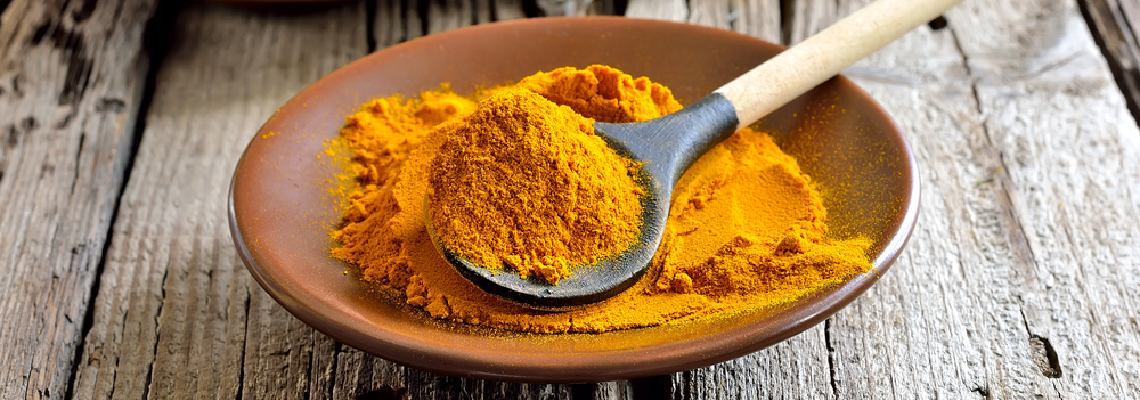
Haldi (Turmeric) carries a mild bitterness through curcumin that contributes to bitter receptor stimulation. More importantly from a liver perspective, curcumin is one of the most well-researched hepatoprotective compounds in existence — it supports bile flow, reduces liver inflammation, and assists phase two detoxification. Both TCM and Macrobiotics recognise turmeric as a liver ally.
Drumstick leaves (Moringa), used across South Indian cooking in sambhar, are bitter, mineral-rich, and deeply supportive of liver function. In Macrobiotic terms, their dark green colour and upward growing nature carry strong earth energy that roots and stabilises.
Bitter greens — methi leaves, bathua, suva, dandelion — were once rotational staples in Indian regional cooking. Their disappearance from modern urban diets has coincided, not coincidentally, with an explosion of fatty liver disease, hormonal disruption, and metabolic chaos.
Why We Stopped Eating Bitter
The food industry has spent decades systematically removing bitterness from our diets. Processed foods, refined grains, and sweetened beverages contain virtually no bitter compounds. Our TAS2Rs go unstimulated. Our GLP-1 goes unproduced. Our liver Qi stagnates. And we wonder why we cannot stop eating, cannot regulate weight, cannot balance hormones without pharmaceutical intervention.
In TCM, a liver that is not supported by bitter foods becomes overheated and overworked — it over-controls digestion, disrupts the spleen's ability to transform food into energy, and creates the very insulin resistance and sugar cravings that drive modern metabolic disease. The ancient physicians saw this clearly. We have simply had to rediscover it through billion-dollar research.
How to Eat Your GLP-1
You do not need karela juice at every meal. Start with intention and consistency. Add methi leaves to your dal twice a week. Introduce karela into your weekly sabzi rotation. Use fresh haldi generously in your cooking. Soak methi seeds overnight and take them on an empty stomach each morning. Include a small bitter green (dill, which is suha) in your lunch plate. Allow the liver its seasonal reset each spring with neem, dandelion, and light bitter broths.
In Macrobiotics, we do not eat reactively — we eat rhythmically, seasonally, and with awareness of what each food is communicating to the body. Bitter foods, eaten consistently and with understanding, speak a language the liver, the gut, and the endocrine system all recognise.
Your body already knows how to regulate itself. It has the receptors, the hormones, and the intelligence. What it needs is the right signal.
And that signal has been sitting in your grandmother's kitchen — and in five thousand years of Chinese medicine — all along.
Views: 463