26
2025
The Best Herbal Teas for Gut, Skin, and Stress Relief
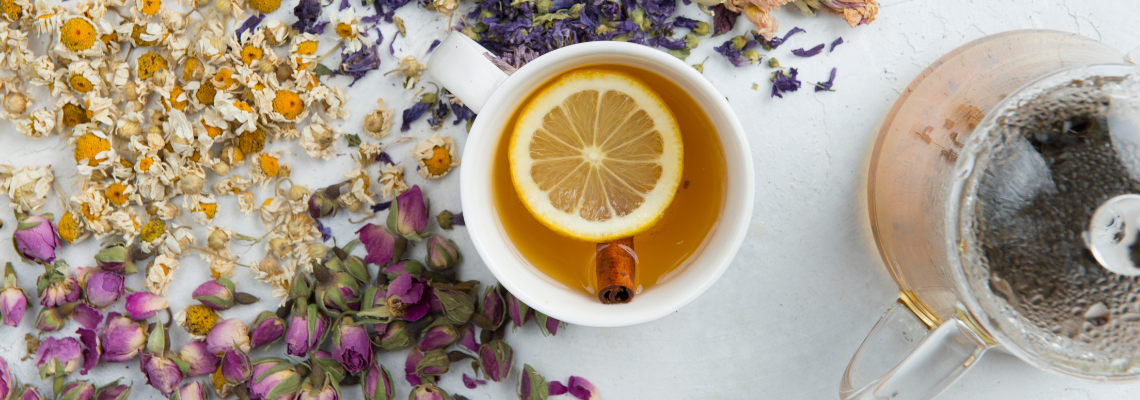
The Best Herbal Teas for Gut, Skin, and Stress Relief
As someone who has spent years helping people reclaim their health through food, I’m often asked about quick, simple, and natural remedies to support digestion, glowing skin, and emotional calm. One of my favourite tools? Herbal teas. These medicinal brews may seem like humble kitchen companions, but when used correctly, they can be powerful allies in healing.
Drawing from Ayurveda, Traditional Chinese Medicine (TCM), and Macrobiotic philosophy, this guide brings you my go-to Indian herbs that can be steeped into teas. These herbs work energetically and physiologically to support key systems of the body—especially the gut, skin, and nervous system.
Let’s explore the best teas for daily wellness—and also when not to use them.
1. Cumin Tea: The Gut Whisperer
Why it works:
Cumin (jeera) stimulates the secretion of digestive enzymes and helps in the breakdown and assimilation of nutrients. It reduces bloating, gas, and supports liver detox. In macrobiotics, cumin is considered warming and grounding—perfect for strengthening digestion.
How to make it:
Boil 1 teaspoon of whole cumin seeds in 1.5 cups of water for 10 minutes. Strain and sip warm.
When to use:
Ideal after a heavy or oily meal, or when experiencing bloating, heaviness, or sluggish digestion.
Avoid if:
You have ulcers, GERD, or experience heat-related imbalances like hot flashes—cumin may aggravate pitta.
2. Fennel Tea: For Bloating, Skin, and Menstrual Calm
Why it works:
Fennel (saunf) is cooling, sweet, and carminative. It soothes the digestive tract, reduces gas, supports estrogen balance, and can even help with acne caused by hormonal imbalance. Fennel also relaxes the nervous system and is often used for menstrual cramps.
How to make it:
Boil 1 teaspoon of crushed fennel seeds in 1.5 cups of water for 7–10 minutes. Strain and sip.
When to use:
After meals, during PMS, or when dealing with post-meal bloating and indigestion.
You're pregnant, have oestrogen-sensitive conditions (like breast cancer), or low blood pressure.
3. Coriander Tea: Skin & Liver Detox
Why it works:
Coriander seeds (dhaniya) are detoxifying and diuretic, helping flush toxins from the liver and urinary system. They're excellent for skin conditions like acne, eczema, and rashes linked to internal heat and poor elimination.
How to make it:
Boil 1 teaspoon of coriander seeds in 1.5 cups of water for 10 minutes. Cool slightly, strain, and sip.
When to use:
Daily in the morning for skin issues or after rich, spicy meals to support the liver.
Avoid if:
You have low blood pressure or are prone to cold and sluggish digestion (kapha imbalance).
Why it works:
Tulsi is an adaptogen—meaning it helps the body adapt to physical, emotional, and environmental stress. It purifies the blood, supports respiratory health, and combats oxidative stress, making it wonderful for both skin and mood.
How to make it:
Steep a handful of fresh tulsi leaves (or 1 tsp dried) in hot water for 5–7 minutes. Cover while steeping.
When to use:
When stressed, anxious, or during seasonal changes to boost immunity.
Avoid if:
You’re on blood thinners or fertility medications, or are trying to conceive—Tulsi may affect sperm count and fertility in high doses.
Why it works:
Licorice (mulethi) supports adrenal function, soothes the stomach lining, and helps with acid reflux. It’s commonly used in TCM and Ayurveda to reduce inflammation and boost resilience to stress.
How to make it:
Simmer ½ tsp of licorice root in 1.5 cups of water for 10 minutes. Strain and sip. Do not use licorice powder or over-steep.
When to use:
During fatigue, chronic stress, acid reflux, or gastritis.
Avoid if:
You have high blood pressure, kidney issues, or are pregnant. Prolonged use can cause water retention and elevated BP.
6. Nettle Tea: Skin Healing & Hormone Support
Why it works:
Rich in minerals like iron, magnesium, and silica, nettle nourishes the blood, supports hormonal balance, and is known to help with eczema, hair fall, and acne. It’s also anti-inflammatory and mildly diuretic.
How to make it:
Steep 1–2 teaspoons of dried nettle leaves in hot water for 10 minutes. Cover while steeping.
When to use:
During PMS, skin flare-ups, or fatigue from anemia. Also great postpartum or post-illness.
Avoid if:
You have low blood pressure or are on diuretics or blood thinners. Always consult if pregnant.
Why it works:
This combination is warming and improves circulation, boosts digestion, and strengthens the immune system. It is especially useful in kapha-related sluggishness or when you're feeling heavy and unmotivated.
How to make it:
Simmer 1 small stick of cinnamon and ½ inch fresh ginger in 1.5 cups water for 10–15 mins. Strain and sip warm.
When to use:
During cold weather, after heavy meals, or when immunity feels low.
Avoid if:
You have ulcers, are overheated, or suffer from acid reflux—this combo may be too stimulating.
8. CCF Tea (Cumin + Coriander + Fennel): The Classic Tridoshic Digestive
Why it works:
This Ayurvedic blend balances all three doshas—vata, pitta, and kapha. It strengthens agni (digestive fire), aids detox, and supports both skin and gut. I recommend this as a starter tea for those new to herbal brews.
How to make it:
Use ½ tsp each of cumin, coriander, and fennel seeds in 2 cups of water. Boil for 10 mins, strain and sip.
When to use:
Daily after meals or mid-afternoon for gentle digestion and detox.
Avoid if:
You have extremely high heat in the body or diarrhoea—then reduce cumin slightly.
Herbal Tea Tips
- Steep vs. Boil: Seeds generally need boiling to release their benefits. Leaves (like tulsi or nettle) are better steeped.
- Cover Your Teas: Always cover while steeping to trap volatile oils.
- Don’t Mix Too Many Herbs: More is not better. Stick to 1–3 ingredients at a time for targeted effects.
- Use Glass or Ceramic Vessels: Avoid aluminium or non-stick for boiling your herbs.
- Listen to Your Body: If a tea causes acidity, dryness, or fatigue, stop and reassess.
Herbal teas may be natural, but they are still medicinal and should be used thoughtfully. Here’s when to pause:
- Pregnancy & Breastfeeding: Always check herb safety first. Many, like tulsi and nettle, need caution.
- High Blood Pressure or Kidney Disease: Avoid licorice and nettle.
- Low BP or Dizziness: Be cautious with cooling herbs like coriander or fennel in large amounts.
- Autoimmune Conditions: While most herbs are supportive, always tailor based on how your immune system is behaving.
- On Medication: Herbal teas can interfere with blood thinners, diuretics, thyroid meds, etc.
A warm cup of herbal tea is more than just a ritual. It’s nourishment, comfort, and medicine all at once—especially when chosen mindfully. Whether your goal is clearer skin, calmer nerves, or stronger digestion, you’ll find that nature has already brewed the solution. The key is in understanding your body and giving it what it truly needs, not what’s trending.
Visit my Youtube Channel for some more recipes.